
What to do if there is noise during the operation of a water-cooled chiller
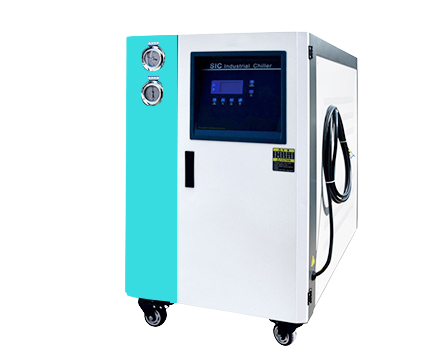
When the water-cooled chiller is working, it will produce sound, such as the rotation of the fan, friction between the fan blades and the air, etc. This is a normal sound that is allowed, but pay attention to serious, sudden, harsh, and irregular noise.
It is necessary to investigate and observe the cause.
1. Loose or not: The water-cooled chiller is fixed on the ground and operates for a long time. If the anchor bolts are loose and the chiller is unstable, both will produce noise. This situation can be solved by replacing the foundation bolts. If conditions permit, shock absorbers can also be installed, so that the water-cooled chiller can be fixed on the ground.
2. Whether the connecting pipes are firm: The pipes above the water-cooled chiller, connecting auxiliary equipment such as the chiller and refrigeration equipment, and loose connecting screws can cause noise during operation. The solution is to fix the pipes and equipment.
3. Is there a problem with Fan Fan? The air-cooled chiller uses Fan Fan, which consists of a fan cover and blades. The blades are deformed by external forces and generate noise when rotating. The fan cover can also generate noise due to dust and debris entering the fan. By replacing the blades and regularly cleaning the debris on the fan fan, noise can be reduced.
4. Is there any noise inside the pump: If there is noise inside the pump, it may be a water quality issue. Dirty water quality can cause blockage of the pump pipe, resulting in working noise. Therefore, circulating water quality treatment is required.
5. Compressor noise: Compressor noise is an important issue, as the compressor is the "heart" of the chiller unit, so special attention should be paid to noise. The reasons for compressor noise are as follows: 1. Once liquid refrigerant enters the compressor, it will cause liquid pressure, vibration or noise to the internal structure. In addition, excessive refrigerant can dilute the refrigerant oil and cause wear on mechanical parts. Check if there is too much refrigerant and release excess refrigerant; Check the opening of the expansion valve to see if it is too large and adjust it in a timely manner. 2. Excessive refrigerant oil can have an impact on the liquid. 3. Compressor cylinder and crankshaft noise.
;)